
Compare Local Contractors for Basement Finishing Services
Compare local contractors for basement finishing to define scope, verify experience, and set clear expectations, ensuring a smooth and successful renovation.
Basement finishing services typically encompass transforming an unfinished or underused basement space into a functional and comfortable area. This work may include framing walls, installing flooring, adding drywall, and incorporating electrical and plumbing elements to support lighting, outlets, and fixtures. The scope can also extend to creating designated zones such as entertainment areas, home offices, bedrooms, or storage spaces. Understanding what these services cover helps property owners plan effectively and ensures that the finished space aligns with their needs and expectations.
Defining the scope of a basement finishing project is essential for establishing clear expectations and avoiding misunderstandings. A well-documented scope outlines the specific tasks, materials, and features involved, providing a foundation for communication with service providers. It also helps property owners identify necessary permits or inspections, and ensures that all aspects of the project are considered before work begins. Clearly articulated scope details contribute to a smoother process and can assist in comparing different contractors based on their ability to meet the outlined requirements.
When evaluating local contractors for basement finishing, property owners should consider experience and expertise relevant to the scope of work. Comparing service providers involves reviewing their backgrounds, asking for references, and verifying their familiarity with similar projects in the area. It’s also advisable to examine how each contractor defines the scope of work in their proposals, as well as their approach to project management and communication. By focusing on these factors, property owners can make informed choices, selecting service providers who are capable of delivering quality results that meet their specific needs and standards.
Compare local contractors by outlining project priorities, verifying experience, and setting clear expectations in writing.
- Compare Contractor Credentials - Review the experience and reputation of local contractors to ensure they meet your project needs.
- Define Project Scope Clearly - Establish detailed expectations and work requirements to facilitate accurate proposals.
- Verify Experience and Past Work - Request examples of previous basement finishing projects to assess quality and expertise.
- Document Agreements in Writing - Ensure all project details, responsibilities, and expectations are confirmed through written agreements.
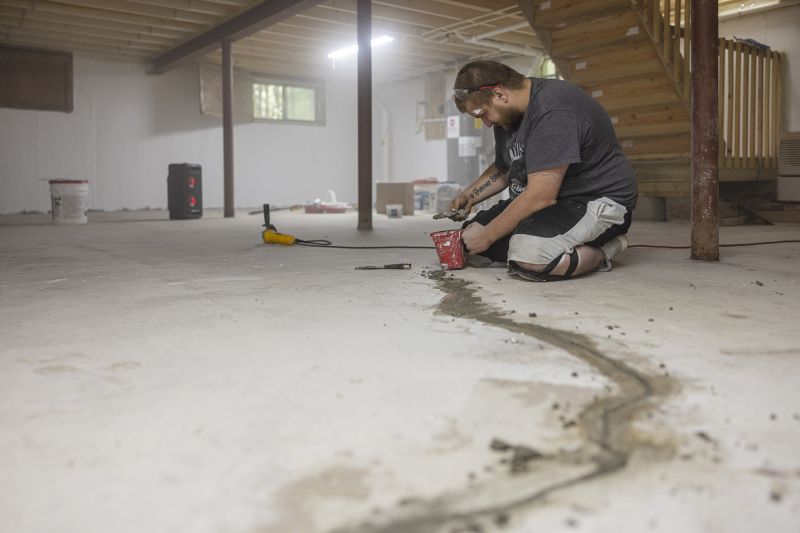
Clearly describe your basement finishing project to effectively compare local contractors, define scope, verify experience, and set expectations in writing.
- Verify experience in basement finishing projects to ensure familiarity with similar scope and design preferences. - Look for service providers who clearly define the scope of work and expected deliverables in writing.
- Compare multiple local contractors to assess their qualifications, reputation, and previous work quality. - Ensure that contractors provide references or examples of completed basement finishing jobs.
- Discuss material options, finishes, and design details to confirm they align with project expectations. - Clarify the level of craftsmanship and attention to detail that contractors typically deliver.
- Establish clear communication channels and set expectations for project milestones and responsibilities. - Confirm that all scope, responsibilities, and deliverables are documented in a written agreement.
- Check for proper insurance coverage to protect against potential damages or liabilities during the project. - Ensure service providers have appropriate insurance to mitigate risks associated with the work.
Compare local contractors to clarify scope, verify experience, and set clear expectations in writing.
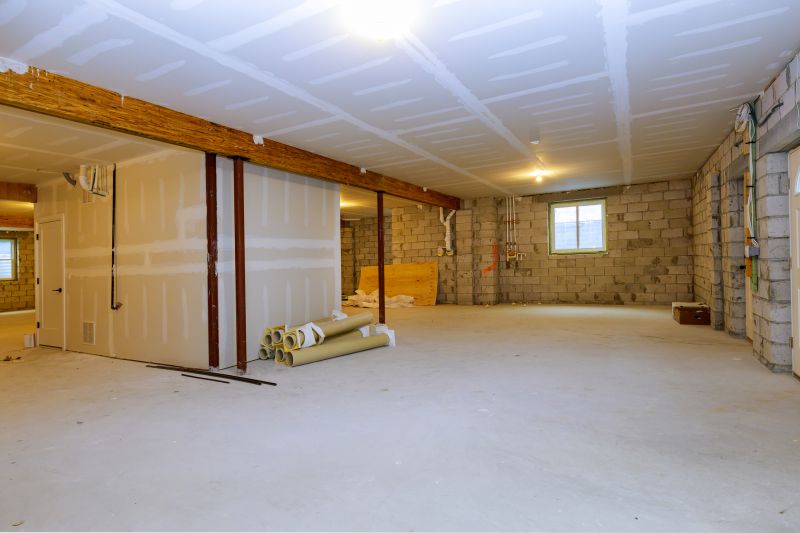

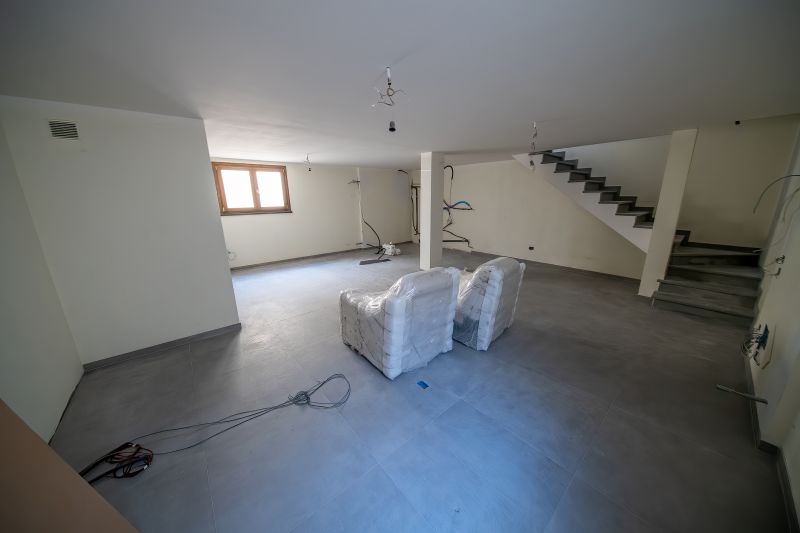

Use consistent criteria to compare local contractors' scope, experience, and written expectations for basement finishing projects.
- Scope Definition - Clearly outline the specific tasks and areas involved in the basement finishing project.
- Experience Verification - Confirm that service providers have relevant experience with basement finishing projects of similar scope.
- Material and Finish Selection - Specify the types of materials, finishes, and design elements to be included in the project.
- Project Expectations - Document the desired outcomes, quality standards, and any particular requirements in writing.
- Communication and Updates - Establish how progress, changes, and questions will be communicated throughout the project.
When comparing contractors for basement finishing services, it is important to assess their experience with similar projects. Homeowners should inquire about the types of basement renovations the service providers have completed in the past, paying attention to the scope and complexity of those projects. Contractors with a proven track record in finishing basements are more likely to understand the nuances involved, such as framing, electrical, plumbing, and insulation considerations. Verifying how long a contractor has been working on basement finishes can also provide insight into their familiarity with industry best practices and common challenges.
A clear, written scope of work is essential when evaluating potential service providers. Homeowners should seek detailed descriptions of the work to be performed, including specific tasks, materials, and finishes. A well-defined scope helps prevent misunderstandings and ensures that all parties have aligned expectations. It is advisable to request a written proposal or contract that outlines the project’s boundaries, deliverables, and responsibilities, providing a tangible reference point throughout the project.
Verification basics involve confirming that contractors have a reliable history and the necessary experience to handle basement finishing projects. Homeowners should look for service providers who can provide references or examples of completed work, allowing for an assessment of quality and professionalism. Additionally, verifying the contractor’s reputation through local directories or industry associations can help identify those with a solid standing in the community. Ensuring that the contractor’s experience aligns with the specific requirements of basement finishing can contribute to a smoother project process.
Evaluating options without focusing on prices involves examining the quality of communication, the clarity of proposals, and the professionalism demonstrated during initial interactions. Homeowners should compare how well each contractor understands the project scope and whether they can provide comprehensive, written descriptions of their approach. It is also helpful to consider the contractor’s responsiveness, willingness to answer questions, and transparency in discussing project details. By focusing on these factors, homeowners can select service providers who are well-qualified and capable of delivering the desired results for basement finishing projects.
Ask contractors to provide written scope of work to ensure clear, consistent expectations throughout the project.
- Experience and Credentials - What specific experience do the contractors have with basement finishing projects similar to this scope?
- Scope of Work - How do the contractors define and outline the detailed scope of the basement finishing services they provide?
- Project Expectations - How will the contractors clarify and document project expectations and deliverables in writing?
- Comparison Criteria - What key factors should be used to compare and evaluate different service providers’ qualifications and approaches?
- Work Process and Communication - How do the contractors plan to communicate progress and handle changes throughout the project?
What should I consider when choosing a contractor for basement finishing? It's important to compare different service providers by reviewing their experience, reputation, and scope of work. Clearly define your project needs and ensure these are outlined in writing to set proper expectations.
How can I verify a contractor’s experience with basement finishing? You can ask for references or examples of previous projects similar to yours. Reviewing their portfolio or requesting detailed descriptions of past work can help assess their expertise.
Why is it important to have the scope of work in writing? Having the scope documented helps prevent misunderstandings, clarifies project expectations, and provides a reference point for both parties throughout the process.
What questions should I ask a contractor before hiring for basement finishing? Inquire about their experience, the scope of services offered, the materials they typically use, and how they handle project management and communication during the job.
How do I compare different contractors for basement finishing? Review their credentials, experience, and scope of work. Request detailed proposals or descriptions of their services to understand what each includes and identify the best fit for your project.
What is the best way to set expectations with a contractor? Clearly communicate your project goals, desired outcomes, and specific requirements, and ensure these are documented in writing to align understanding and expectations.
By exploring the information provided, visitors can gain a clearer understanding of how to evaluate and compare contractors for basement finishing projects. Learning to define the scope of work, verify experience, and set clear expectations in writing can help ensure a smoother process. Utilizing the quote form allows for easy comparison of local service providers, making it simple to find options that match specific project needs.
Taking the next step by filling out the quote form enables visitors to connect with qualified local contractors who specialize in basement finishing. This approach supports making informed decisions by reviewing available options and establishing clear communication with service providers. Comparing local contractors through this process can help identify the best fit for the project's unique requirements.