
Compare Local Contractors for Your Home Addition Project
Compare local contractors for home additions to clarify scope, verify experience, and set clear expectations in writing for a successful project.
Home addition projects typically encompass a range of construction tasks aimed at expanding or enhancing existing living spaces. This can include building extra rooms such as bedrooms, offices, or sunrooms, as well as enlarging kitchens, basements, or garages. The scope of work often involves structural modifications, interior finishing, electrical and plumbing updates, and ensuring the new space integrates seamlessly with the existing home. Clearly defining what is included in the project helps property owners communicate their needs effectively and ensures all parties have a shared understanding of the work to be performed.
Establishing a well-defined scope is essential for managing expectations and avoiding misunderstandings during a home addition project. When property owners specify details such as the desired square footage, specific features, and finishes, it provides a concrete basis for discussions with service providers. Documenting the scope in writing can serve as a reference point throughout the project, helping to prevent scope creep and ensuring that the work performed aligns with the original plan. A detailed scope also makes it easier to compare bids and proposals from different contractors, as it clarifies what each is offering.
Comparing local contractors involves evaluating their experience, reputation, and the quality of their previous work. Property owners should seek service providers with a proven track record in home additions similar to their project. Reviewing portfolios, references, or testimonials can provide insight into a contractor’s capabilities and reliability. It’s also important to verify that contractors understand the scope of work and can communicate their approach clearly. When assessing different options, consider how well each contractor’s expertise aligns with the project’s needs, and ensure that expectations are set in writing to facilitate a smooth and successful home addition process.
Compare local contractors by outlining your project priorities, verifying experience, and setting clear expectations in writing.
- Compare Contractor Credentials - review the experience and reputation of local contractors to ensure reliability.
- Define Project Scope Clearly - outline specific requirements and expectations to prevent misunderstandings.
- Verify Experience and Past Work - assess previous projects to gauge the quality and suitability of service providers.
- Document Agreements in Writing - ensure all project details and expectations are confirmed through formal documentation.

Clearly describe your home addition project to effectively compare options, verify experience, and set expectations with local contractors.
- Verify the experience and expertise of local contractors in home addition projects. - Ensure they have a proven track record of completing similar additions successfully.
- Compare scope definitions to understand what is included and excluded in each contractor’s services. - Clarify what work will be performed and what materials or finishes are covered.
- Check references or reviews to assess the quality of work and reliability of local service providers. - Gather feedback from previous clients to gauge satisfaction and professionalism.
- Review written agreements to confirm project scope, responsibilities, and expectations are clearly documented. - Make sure all details are outlined to prevent misunderstandings during construction.
- Assess the communication style and responsiveness of potential contractors during the initial consultation. - Choose service providers who provide clear, consistent, and timely information.
- Confirm that the contractor’s experience aligns with the specific requirements of the home addition project. - Ensure they have relevant skills and knowledge for the scope of work involved.
Use this to compare local contractors, clarify project scope, verify experience, and set clear expectations.

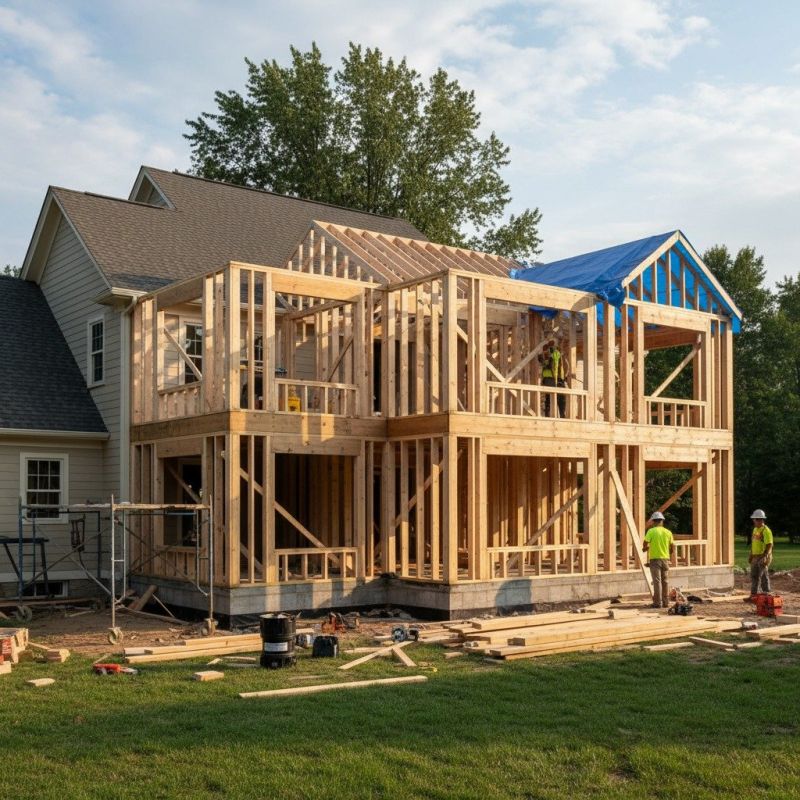

Learn how to compare contractors effectively by defining scope, verifying experience, and setting clear expectations in writing.
- Scope Definition - Clearly outline the specific areas and features to be included in the home addition project.
- Experience Verification - Confirm the background and previous work of local contractors related to home additions.
- Material and Finish Selection - Specify preferences for materials, finishes, and design elements to ensure alignment with expectations.
- Communication of Expectations - Document project requirements, responsibilities, and deliverables in writing to prevent misunderstandings.
- Comparison of Service Providers - Evaluate and compare local contractors based on their expertise, scope offerings, and project approach.
When evaluating contractors for a home addition project, it’s important to consider their experience with similar types of work. Homeowners should inquire about how many projects they have completed that resemble the scope and complexity of the addition they want. A contractor with a proven track record in handling comparable projects can offer insights into potential challenges and solutions, helping to ensure the work proceeds smoothly. Verifying their familiarity with the specific requirements of home additions can provide confidence that they understand the nuances involved in planning, permitting, and construction.
A clear, written scope of work is essential for establishing mutual understanding and setting expectations. Homeowners should seek contractors who can provide detailed descriptions of the tasks involved, including materials, phases of work, and deliverables. A comprehensive scope helps prevent misunderstandings and provides a solid foundation for project planning. It also serves as a reference point throughout the process, ensuring that everyone is aligned on what is to be accomplished, which can contribute to a more organized and efficient project.
Verification basics are key when comparing service providers. Homeowners should ask for references or examples of past work, and if possible, visit completed projects to assess quality. Confirming that a contractor has experience with the specific type of addition being planned can reduce uncertainties. Additionally, understanding the contractor’s approach to managing unforeseen issues and their ability to communicate clearly can be valuable indicators of reliability. These verification steps help homeowners gauge the professionalism and competence of potential contractors before making a decision.
Evaluating options without focusing on prices involves examining the quality of communication, the thoroughness of proposals, and the level of detail provided in their scope of work. Homeowners should compare how well each contractor understands the project’s requirements and whether they can articulate a clear plan for executing the addition. It’s also beneficial to consider the contractor’s reputation, client references, and their approach to handling questions and concerns. By focusing on these factors, homeowners can identify service providers capable of delivering the desired results with professionalism and expertise.
Ask contractors to provide written scope descriptions to ensure clear, consistent expectations throughout the project.
- Experience and Expertise - How can I verify the experience of local contractors specializing in home additions?
- Scope of Work - What details should be included in the scope of work to ensure clear expectations?
- Comparison Criteria - What factors should be used to compare the qualifications and services of different service providers?
- Project Planning - How can I ensure that the scope and expectations are documented in writing before work begins?
- Previous Projects - Should I review examples of past home addition projects completed by local contractors to assess their capabilities?
How can I find reliable contractors for a home addition? It’s helpful to compare local contractors by reviewing their experience, verifying references, and ensuring their scope of work aligns with project goals. Gathering multiple proposals allows for better understanding of each provider’s approach and capabilities.
What should I consider when defining the scope of my home addition? Clearly outlining your desired changes, specifying room sizes, features, and materials can help contractors provide accurate proposals. Communicating your expectations in writing ensures everyone is on the same page.
How do I verify a contractor’s experience with home additions? Review their portfolio, ask for references from previous clients, and confirm their familiarity with projects similar in size and complexity to your planned addition. This helps assess their expertise and reliability.
Why is it important to get everything in writing? Having a detailed written agreement that covers scope, materials, and responsibilities helps prevent misunderstandings and provides a clear record of the project’s expectations and commitments.
What questions should I ask contractors during the comparison process? Inquire about their past projects, approach to project management, communication methods, and how they handle unexpected issues. This information helps evaluate their professionalism and compatibility with your project.
How can I ensure a contractor is a good communicator? Observe how promptly and clearly they respond to your inquiries, and whether they provide detailed explanations. Good communication is key to a smooth home addition process.
Home addition projects involve multiple considerations, including defining the scope of work, verifying the experience of service providers, and establishing clear expectations in writing. Visitors have learned how to compare local contractors effectively to find professionals who can handle their specific needs. Using the quote form allows for a straightforward way to gather information and connect with service providers who are experienced in home additions.
By utilizing the quote form, visitors can explore options among local contractors and gain insights into their capabilities. This process helps in making informed decisions based on the details of each service provider’s offerings. Comparing local options through this approach supports a more transparent and organized way to find the right contractor for a home addition project.